INDIVIDUALS
Some names and details have been altered or redacted to protect the privacy of those interviewed.
The individuals featured in the Invisible Hands project come from a range of backgrounds, ages, and levels of experience. Each profile presents a distinct immigration history and a firsthand account of conditions within Tuscany's leather goods industry, documented through video interviews and personal narratives.*
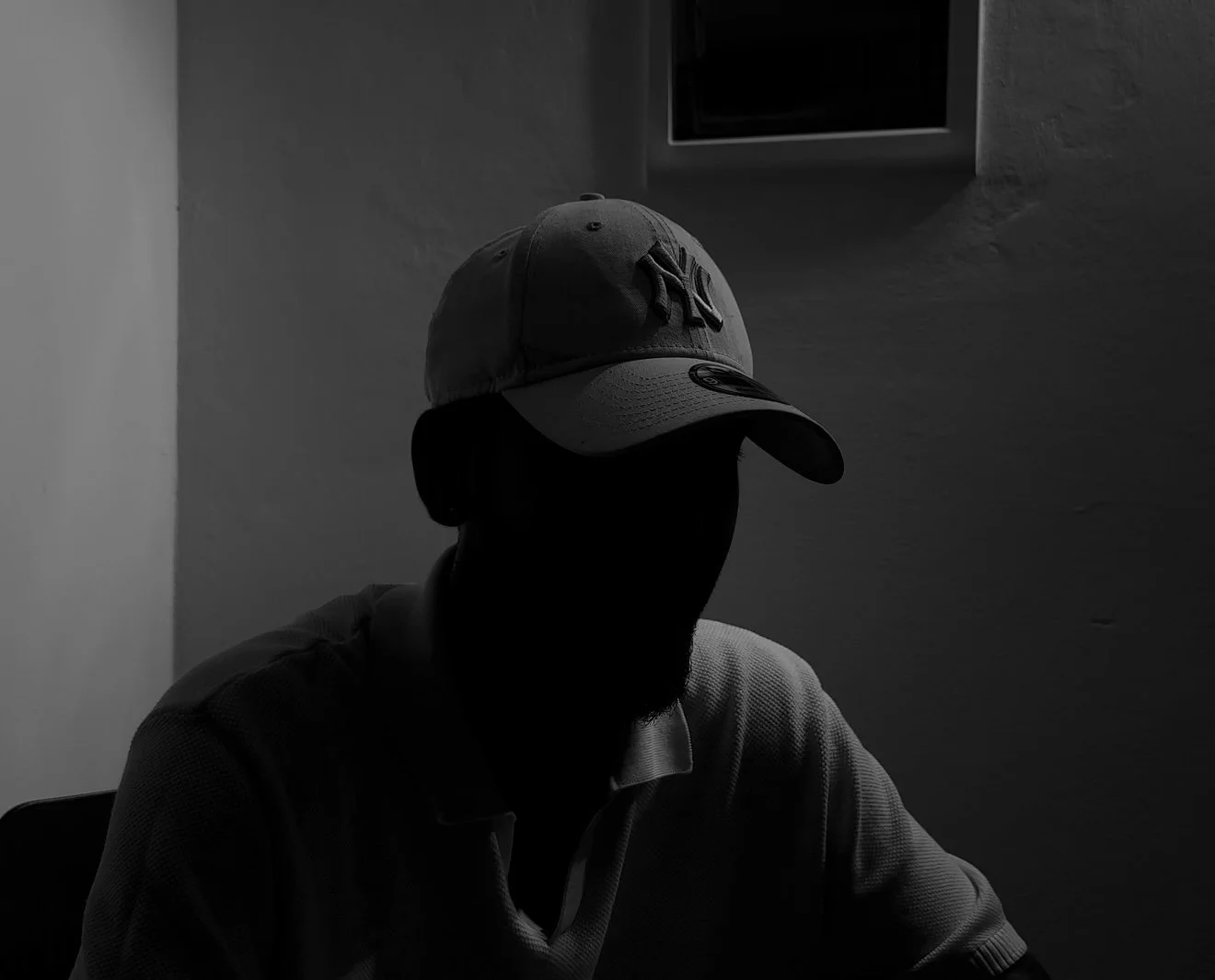
Mahela
Mahela works within the second tier of the fashion supply chain, preparing raw materials for production. Within his pelletteria, or leather-goods factory, Mahela works as a sandblaster — removing fur from leather hides before passing the material to the quality control department. This leather is then used to construct handbags for a well-known luxury brand.
After several years working for this company, Mahela reached out to a lawyer to understand his rights as an employee, as he believed the company was not treating him and his other non-European colleagues in accordance with the regulations set forth in their contracts.
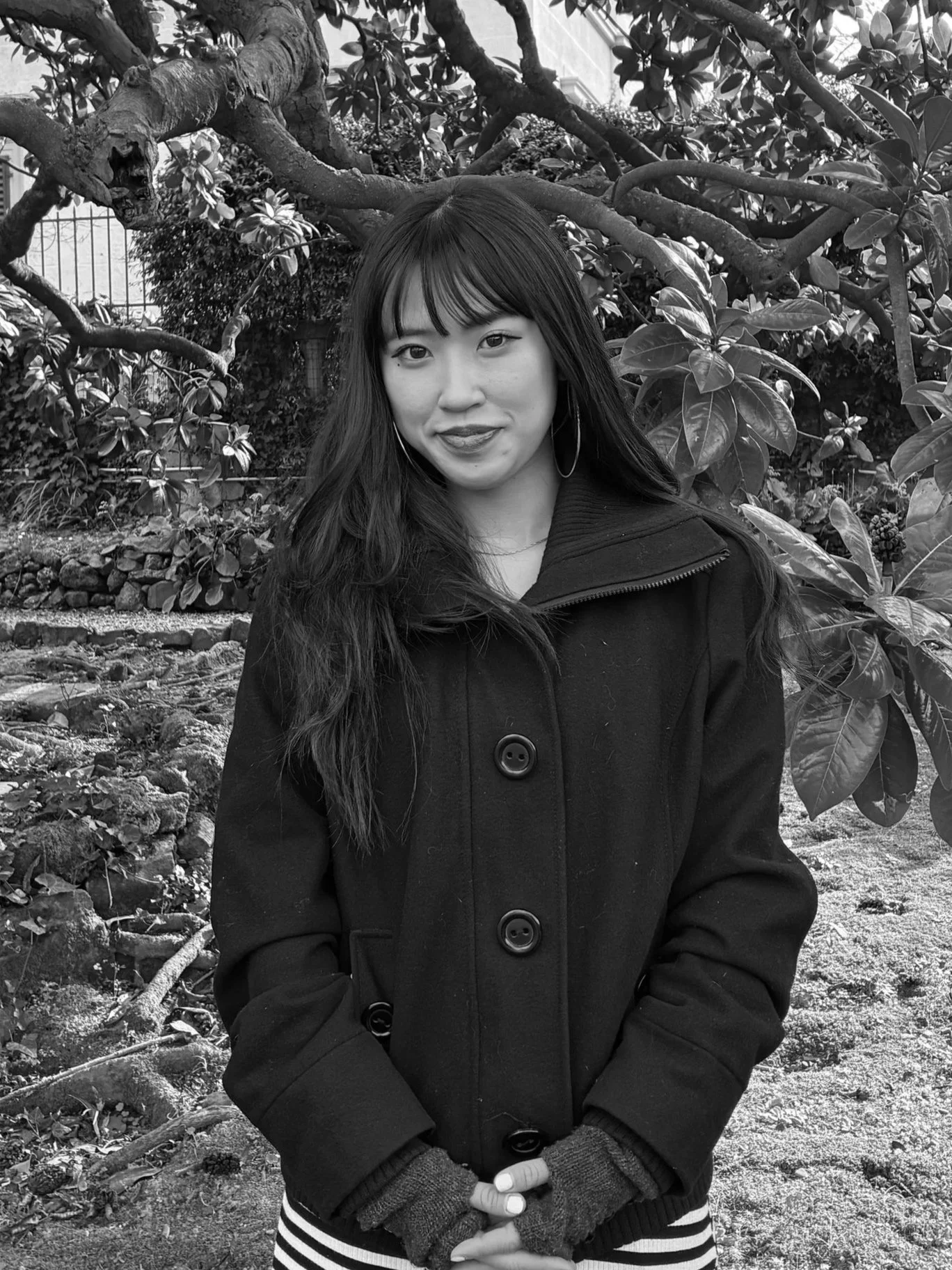
Nagisa
Nagisa is from Tokyo, Japan, where she interned at a variety of factories and fashion brands. In search of a more hands-on learning experience from the artisanal fashion sector, Nagisa obtained a visa to come to Florence.
Upon arrival, she found a posting for an apprenticeship within a leather bags shop and jumped at the opportunity. After working there for almost two years, she says she’s learned nearly every process handbag construction and is excited about her work. However, as an unpaid apprentice, Nagisa must work an evening job to earn money for her living expenses as well as Italian school. Although she loves her work, the 12+ hour days have begun to affect her mentally and physically.
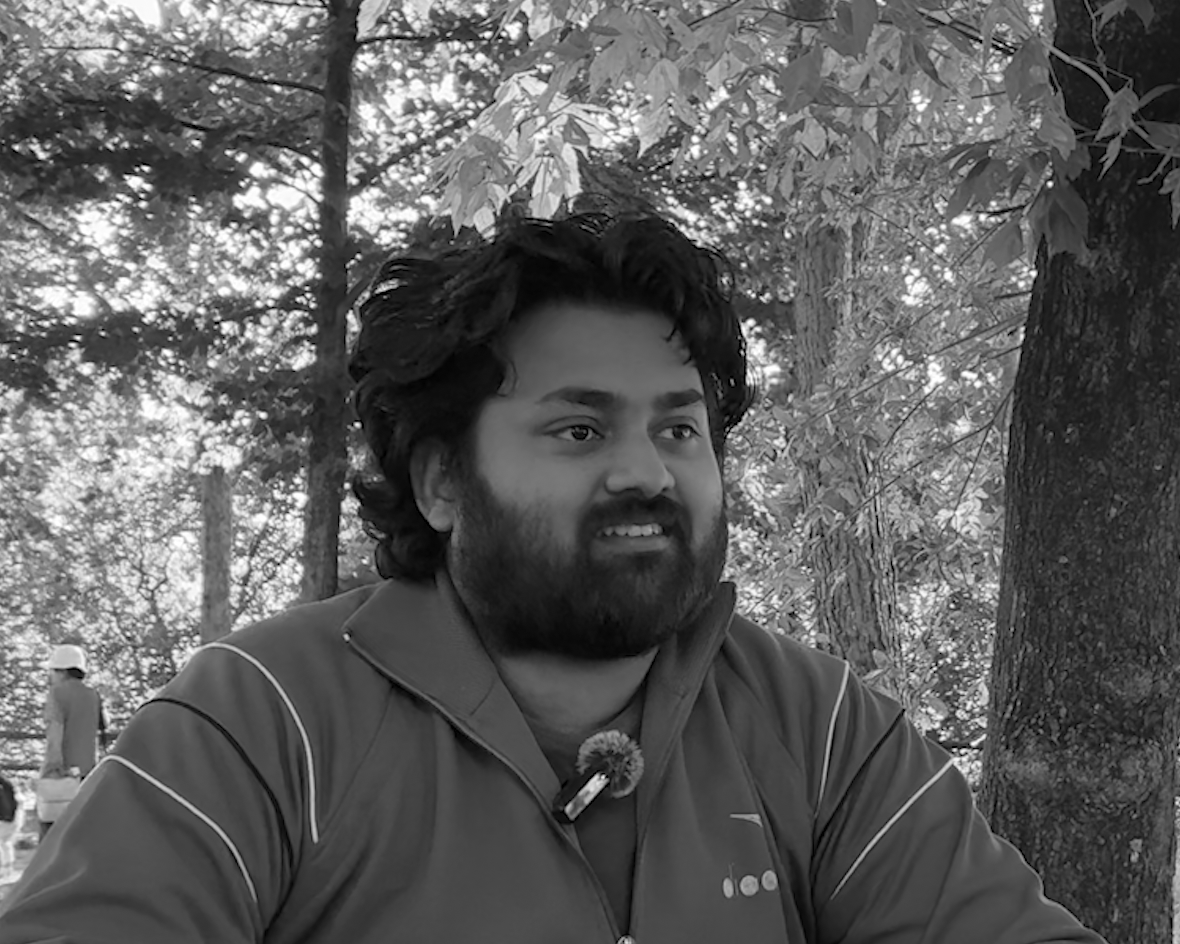
Seren
Seren was born in Italy; however, he spent most of his life in Sri Lanka, where he obtained his MBA from the University of Sri Lanka. Due to the economic crisis in the country, he returned to Italy in search of better opportunities. Although he has settled here for the time being, he is awaiting reunification with his wife.
Currently, Seren works as a technical advisor at a fustellificio, or die-cutting factory, that prepares metal stamp-like structures for cutting leather. He notes that his experience thus far has been positive. However, he also notes that he has personally experienced far worse conditions in other jobs, and has heard about the mistreatment of workers at other factories
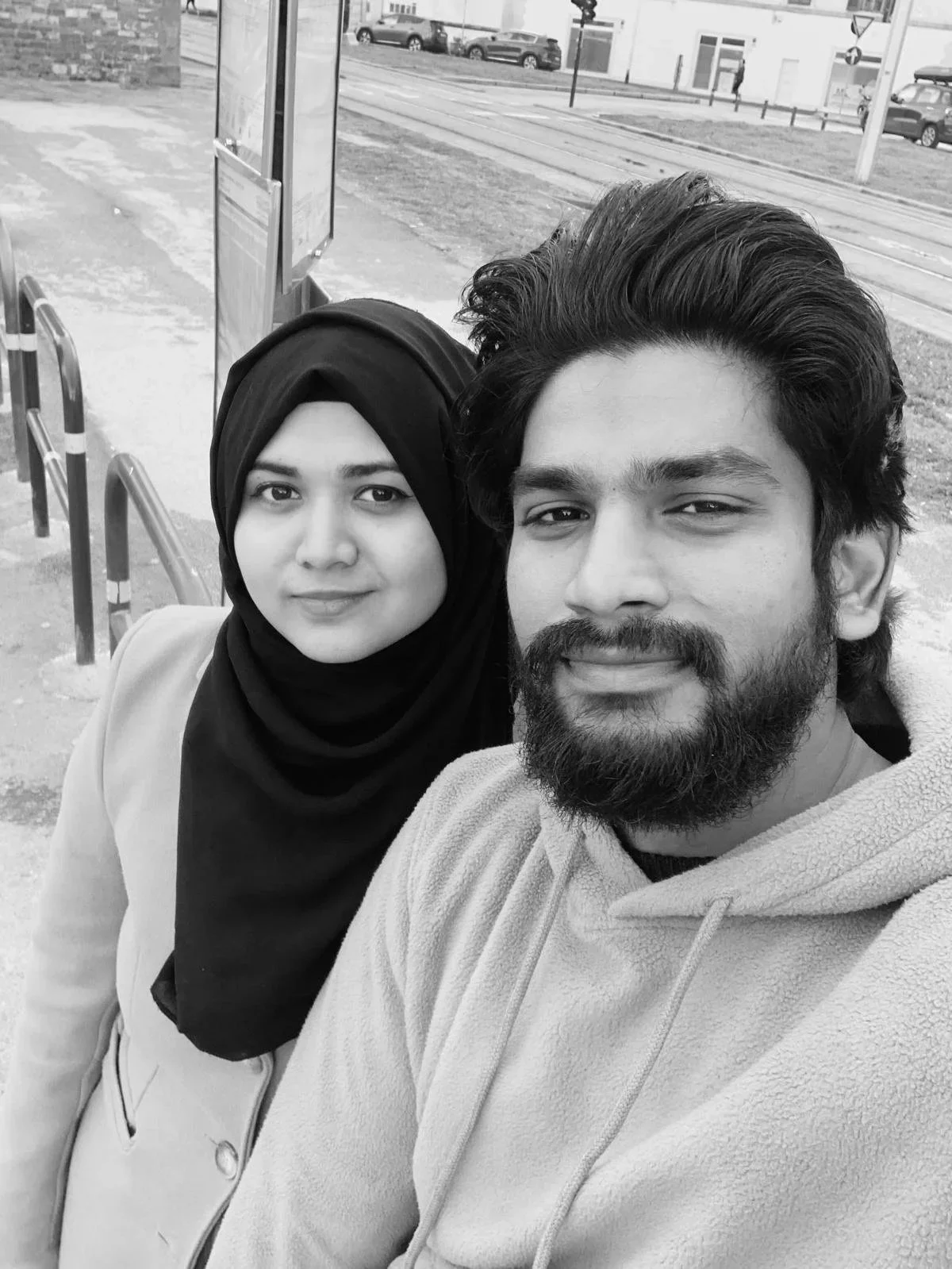
Nusra & Fazil
Fazil arrived in Italy seven years ago after borrowing money from family to make the journey. Nusra has lived in Florence since childhood — it was here that they met.
During our discussion, they described Nusra's experience at the pelletteria, or leather-goods factory, where she has worked in production for three years, making handbags for a major luxury brand.
Nusra reports positive treatment at work, including extensive maternity leave after the birth of her first child. She and Fazil also discussed the widespread awareness of poor conditions in subcontracted factories, and how normalized this reality has become within the industry and region.
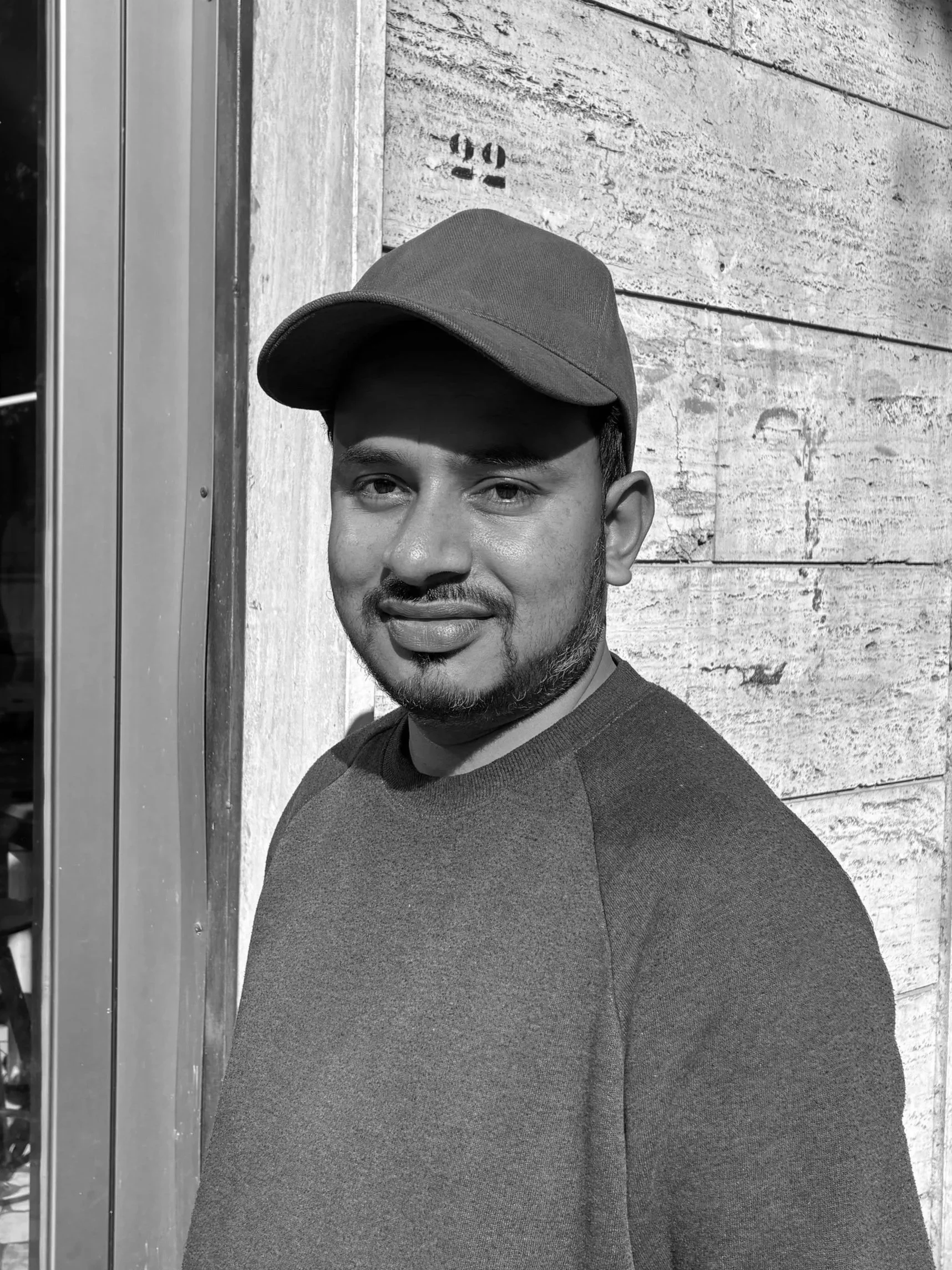
Ali
Ricucisogni Employee
Ali is a Bangladeshi refugee who works at Ricucisogni, one of our company partners. He is the only employee who comes to work on Saturdays, something he takes deep pride in. This is when I had the chance to get to know him and hear his difficult story. Although he shared it with me, he was uncomfortable participating in an official interview due to his limited understanding of the Italian language—a barrier many immigrants face upon arrival.
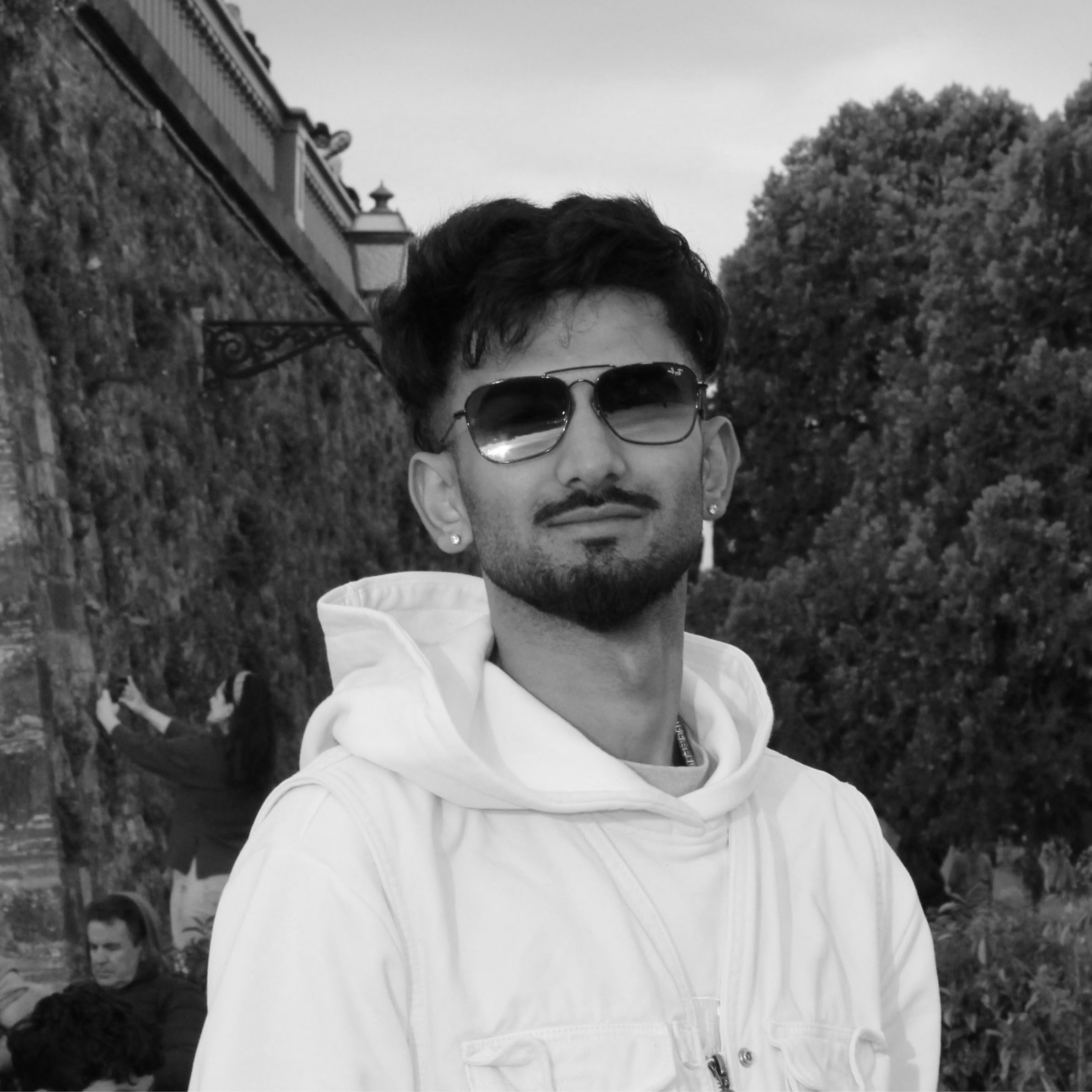
Athick Ahamed
Mani Visibili Translator & Collaborator
Athick Ahamed is an immigrant from Sri Lanka who arrived in 2023. As the primary translator on this project, his efforts center around making the stories of those interviewed accessible to as many people as possible. However, his own personal story has driven the project.
He has also provided a narration for the project through his fluency in Italian, English, Tamil, and Sinhala. With this insight, he has helped guide interviews and connect with interviewees across language and culture. He has also provided additional information on the key struggles for immigrants here in Italy, and has helped encourage individuals to share their story without fear.
This group consists of individuals who chose to share their story publicly. Adjustments were made on a case-by-case basis to address individual privacy concerns. This page does not include the full range of stories and individuals who contributed to this project through private interviews. These stories reflect the perspectives and experiences of individual participants at the time of their interview, and they have not been independently verified. They are not intended to represent the leather goods or fashion industry as a whole, nor conditions throughout the Tuscan region generally. Each factory, individual, employment relationship, contracted company, and manager differs, and this project does not draw conclusions beyond the individual accounts presented.