COMPANIES
The companies featured in the Invisible Hands project represent a segment of the fashion industry that operates with a focus on both environmental and social sustainability and circularity. Their participation was vital in illustrating the complex realities of the Tuscan region, and in highlighting examples of how businesses can support internal and regional growth through connection, collaboration, and community investment.*
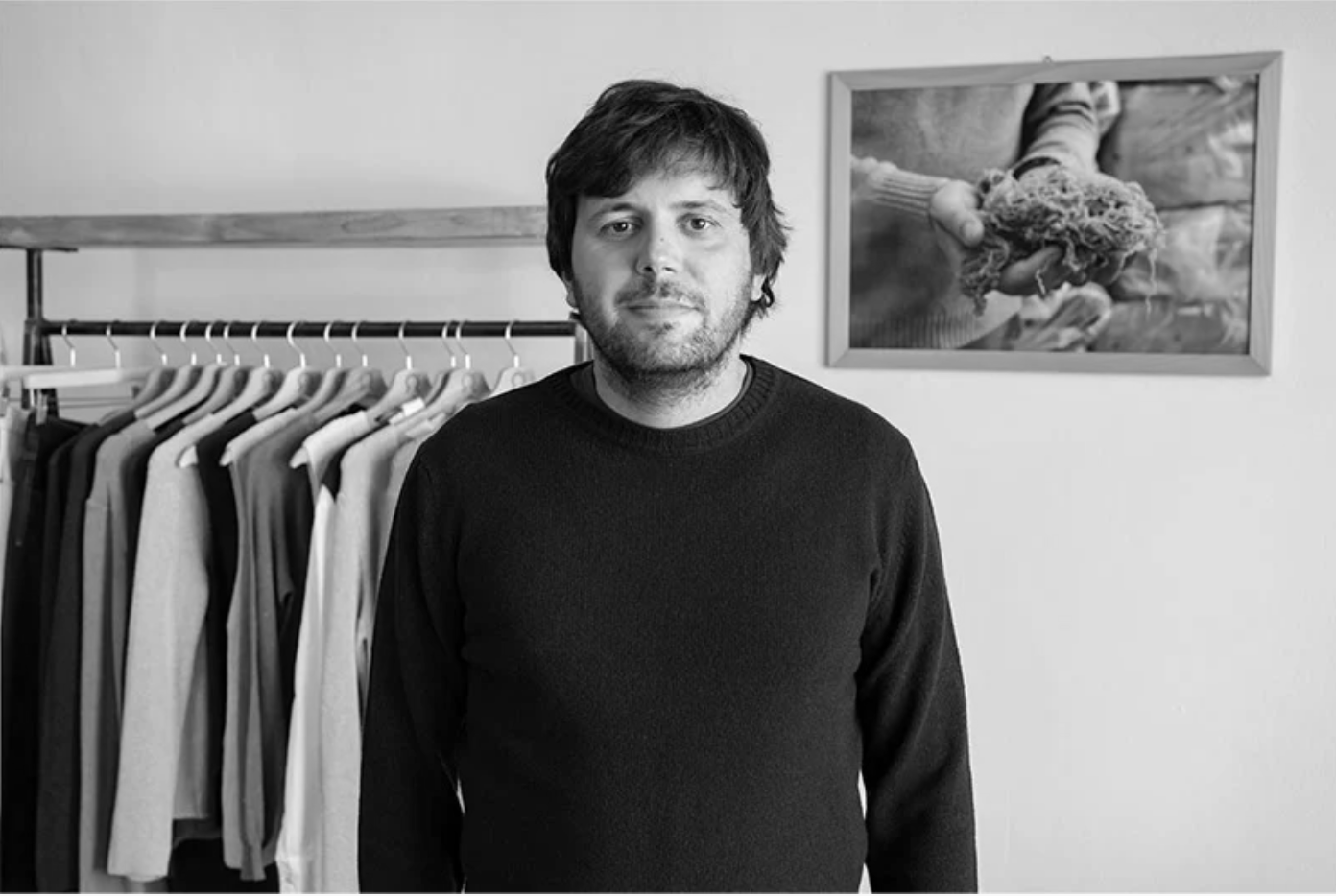
RIFÒ
Founded by Niccolò Cipriani
Niccolò Cipriani is the founded and CEO of Rifò, a certified B-Corp fashion & accessories brand with recycling at the center of its mission. Headquartered in Prato, Italy, Rifò keeps production within 30 km and works with cenciaioli, local artisans trained in sorting discarded garments by touch to collect recycled, natural fibers to be re-spun into new clothing.
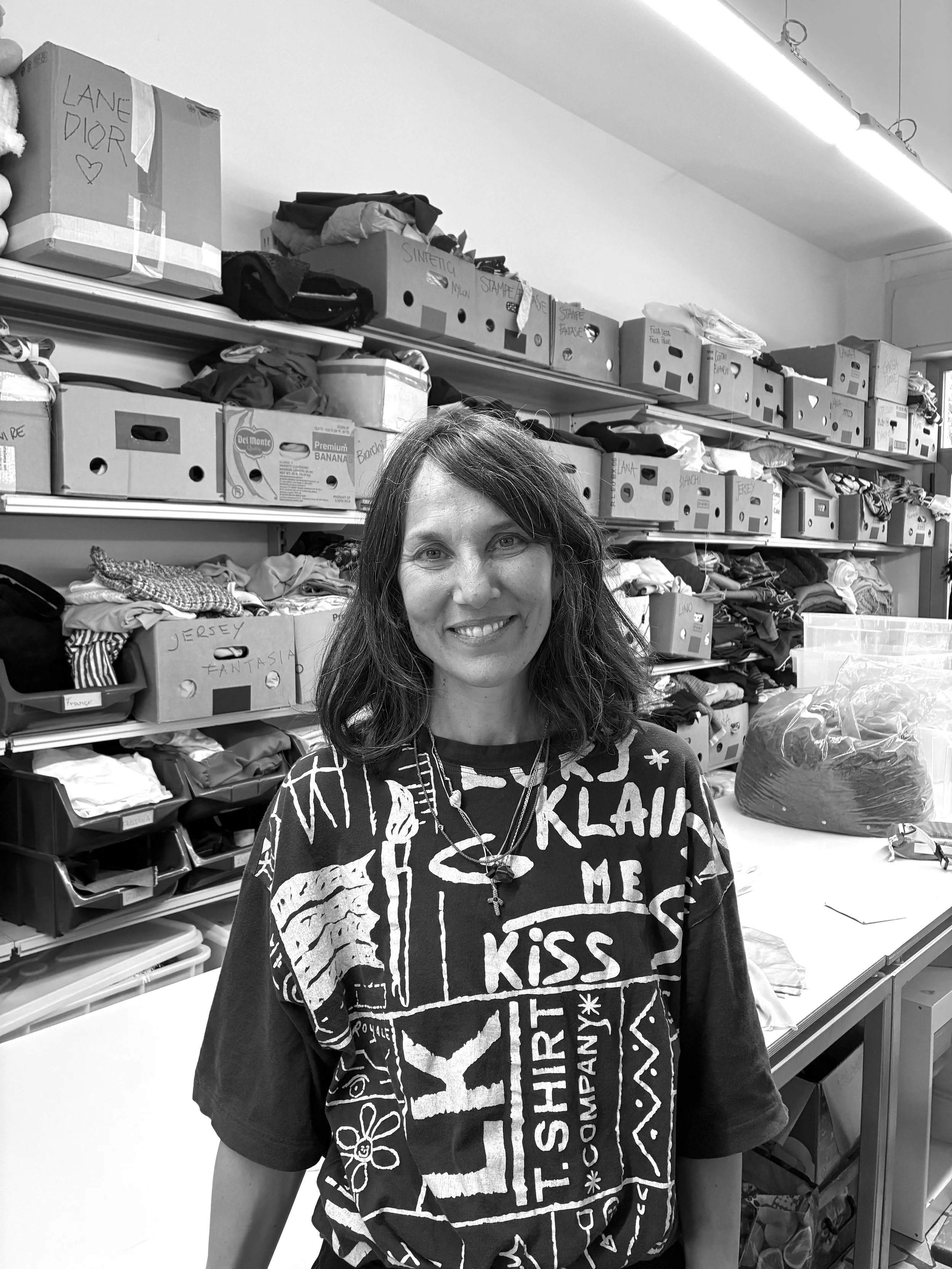
Ricucisogni
Founded by Nicoletta Piazza
Ricucisogni is a sartorial sociale, or a social tailoring shop, based in Cavaion Veronese, VR, near Garda Lake. Founded in July 2025 by Nicoletta Piazza in collaboration with a local priest and social centers in the region, the company works to provide tailoring training and full-time work to women and immigrants in disadvantaged positions, assisting them to get back on their feet, find meaningful work, or to build their life in Italy.
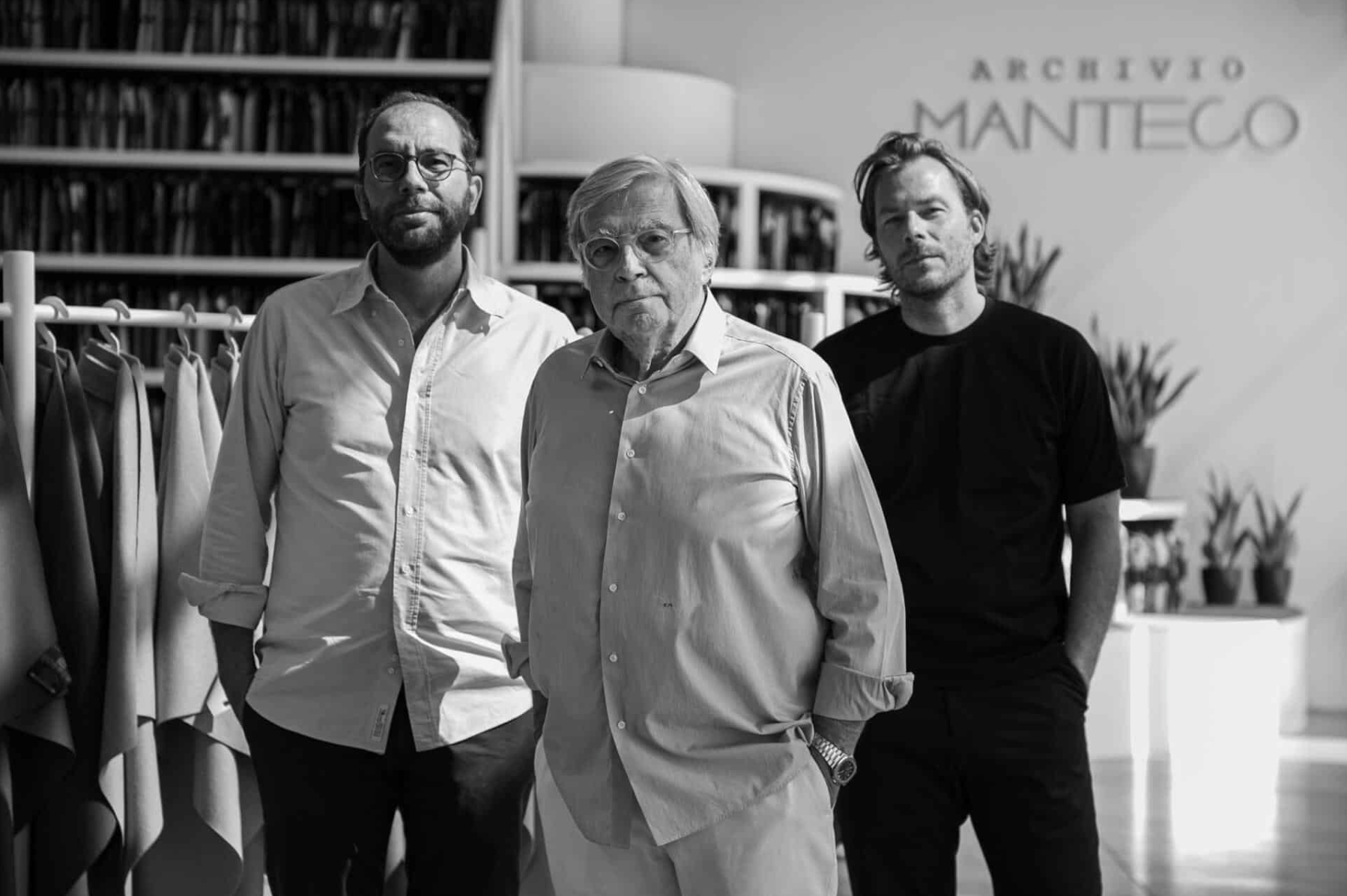
Manteco
Founded in 1941 by Enzo Anacleto Mantellassi, Manteco began as a military clothing and equipage recycling mill and has since risen to become one of the most esteemed textile companies within the luxury fashion industry. A family-owned and -operated business, Manteco supplies regenerated and next-generation wool fibers to luxury brands, always with a green approach. As the first textile company to apply a science-based LCA (Life Cycle Assessment) to their luxury recycled wool textiles, Manteco is a leading force within the industry and sets a precedent for brands worldwide.
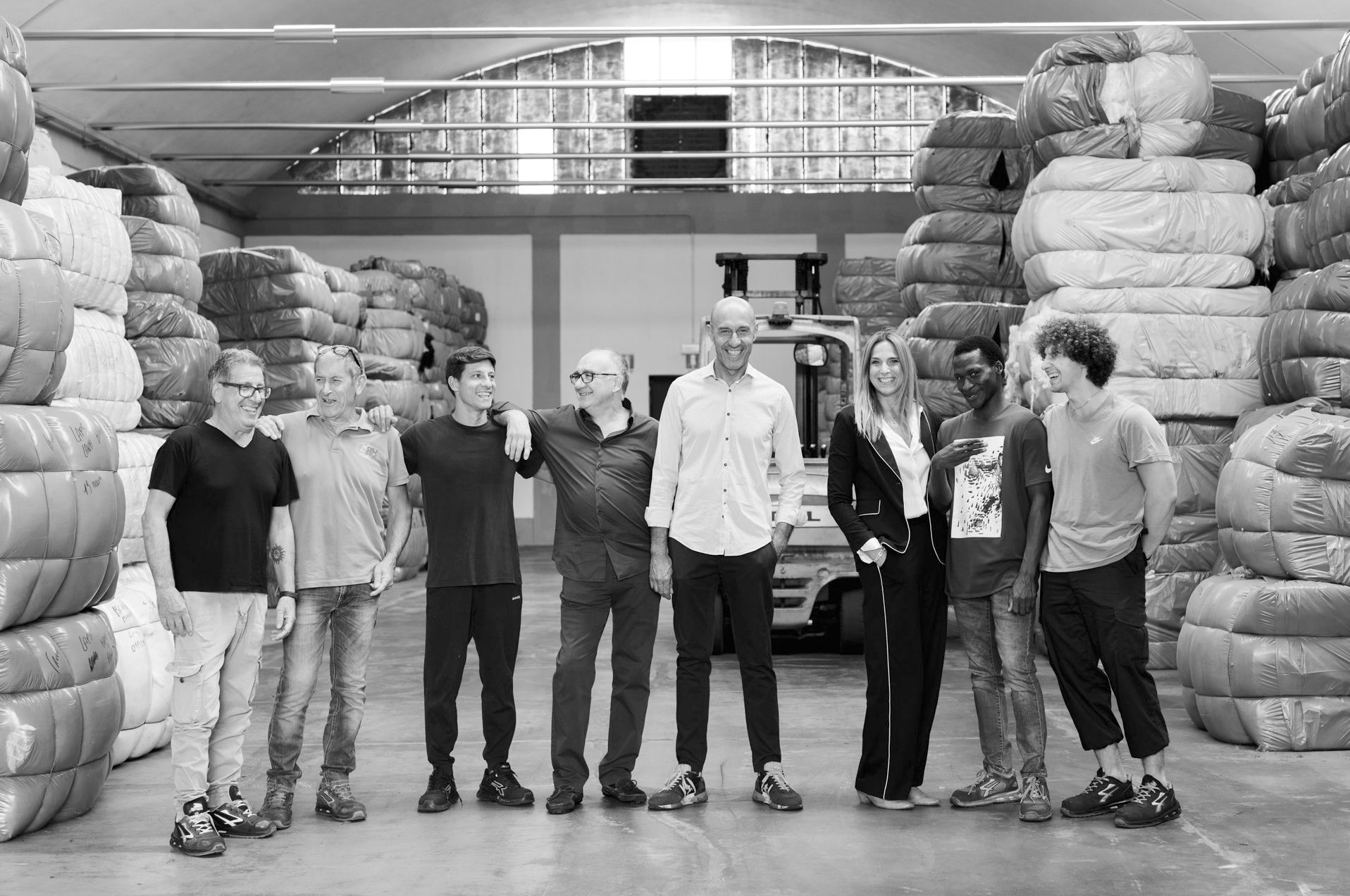
Pantofibre
Founded by Amberto, Antonio & Amedeo Nenciarini
Pantofibre is a family-founded and owned company based in Montemurlo, Prato, just outside of Florence, Italy. Currently operated by Benedetta and Lorenzo Nenciarini, the company works to carry on a centuries-old tradition of recovering textiles from industrial waste, factory off-cuts, and discarded clothing. Continuing the practice of the cenciaioli, — artisans trained in the historic art of sorting textiles by hand based on color and material — Pantofibre transforms material once considered waste into recycled yarns, fibers, and raw materials.
This group consists of companies that chose to participate and share their story publicly. Adjustments were made on a case-by-case basis to address individual business concerns. This page does not include the full range of companies and perspectives that contributed to this project through private conversations.These profiles reflect the perspectives and practices described by each company at the time of their interview, and they have not been independently verified. They are not intended to represent the fashion industry as a whole, nor practices throughout the Tuscan region generally. Each company, business model, and set of operations differs, and this project does not draw conclusions beyond the individual accounts presented.